
The WPW10312696 is a crucial component in Whirlpool appliances, ensuring the proper flow of water into your washing machine or refrigerator. Understanding its role can help you maintain your device efficiently and recognize when repairs are necessary.

What is the WPW10312696 Water Inlet Valve?
The WPW10312696 is a water inlet valve used primarily in Whirlpool washing machines and some refrigerators. This component regulates the flow of water into your appliance, making it essential for proper function. It is usually solenoid-operated, which means it uses electromagnetic coils to open and close the water passage, allowing the water to fill up the appliance as needed.

Functions of the Water Inlet Valve
The water inlet valve serves multiple important functions:
- Water Flow Regulation: It opens to allow water to enter the machine when necessary and closes to prevent overflow.
- Pressure Regulation: The valve ensures that water enters the appliance at the correct pressure, which is crucial for the proper operation of the internal mechanisms.
- Safety Feature: If the machine is not in operation, the valve should remain closed to avoid any leaking or flooding.
Signs of a Mal
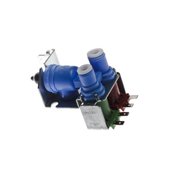
functioning Water Inlet Valve
Recognizing the signs of a defective water inlet valve is crucial to maintaining your appliance effectively. Here are several symptoms to look out for:
- Water Leakage: If you notice water pooling around your appliance, the inlet valve may be faulty.
- Failure to Fill: If your washing machine or refrigerator isn’t filling with water at all, the valve may be stuck closed.
- Inconsistent Water Flow: Uneven filling or slow water entry could suggest that the valve is partially blocked or malfunctioning.
- Strange Noises: Unusual sounds from the appliance during the filling cycle can indicate issues with the inlet valve’s mechanisms.
How to Test the Water Inlet Valve
If you suspect that your WPW10312696 water inlet valve is malfunctioning, testing it is a straightforward process:
- Disconnect Power: Always turn off the appliance and unplug it to ensure safety.
- Access the Valve: Locate the inlet valve, usually found at the back of the washing machine or refrigerator.
- Check for Blockages: Remove any debris or sediment that might be obstructing the valve.
- Test the Valve: Use a multimeter to check for continuity. If there is no continuity, the valve needs replacement.
Replacing the WPW10312696 Water Inlet Valve
If your testing confirms that the water inlet valve is faulty, you will need to replace it. Here’s a step-by-step guide:
- Gather Necessary Tools: You will need a flathead screwdriver, a multimeter, and possibly a wrench or pliers to help with hose connections.
- Remove the Old Valve: Disconnect the water supply hoses and unfasten the screws holding the valve in place. Carefully pull the valve free.
- Install the New Valve: Position the new WPW10312696 inlet valve in the same location as the old one. Secure it with screws and reconnect the water supply hoses.
- Reconnect the Power: Plug the appliance back in and turn on the water supply.
- Test the Appliance: Run a cycle to ensure that the valve is functioning correctly and that there are no leaks.
Tips for Maintaining Your Water Inlet Valve
To ensure the longevity of your WPW10312696 water inlet valve, consider the following maintenance tips:
- Regularly inspect the valve and its hoses for signs of wear, damage, or blockages.
- Ensure that the water supply is clean and free from debris, which can damage the valve over time.
- Check the water pressure to ensure it is within the parameters recommended by the manufacturer.
- Keep an eye out for any unusual sounds during cycles, as they may indicate issues with the valve.
Conclusion
The WPW10312696 water inlet valve is a vital part of your Whirlpool appliance, controlling water flow for proper operation. Recognizing signs of malfunction and understanding how to test and replace this component can save you time and expense. With regular maintenance, you can enjoy efficient and reliable appliance performance for years to come.