
/** * Related Posts Loader for Astra theme. * * @package Astra * @author Brainstorm Force * @copyright Copyright (c) 2021, Brainstorm Force * @link https://www.brainstormforce.com * @since Astra 3.5.0 */ if ( ! defined( 'ABSPATH' ) ) { exit; // Exit if accessed directly. } /** * Customizer Initialization * * @since 3.5.0 */ class Astra_Related_Posts_Loader { /** * Constructor * * @since 3.5.0 */ public function __construct() { add_filter( 'astra_theme_defaults', array( $this, 'theme_defaults' ) ); add_action( 'customize_register', array( $this, 'related_posts_customize_register' ), 2 ); // Load Google fonts. add_action( 'astra_get_fonts', array( $this, 'add_fonts' ), 1 ); } /** * Enqueue google fonts. * * @return void */ public function add_fonts() { if ( astra_target_rules_for_related_posts() ) { // Related Posts Section title. $section_title_font_family = astra_get_option( 'related-posts-section-title-font-family' ); $section_title_font_weight = astra_get_option( 'related-posts-section-title-font-weight' ); Astra_Fonts::add_font( $section_title_font_family, $section_title_font_weight ); // Related Posts - Posts title. $post_title_font_family = astra_get_option( 'related-posts-title-font-family' ); $post_title_font_weight = astra_get_option( 'related-posts-title-font-weight' ); Astra_Fonts::add_font( $post_title_font_family, $post_title_font_weight ); // Related Posts - Meta Font. $meta_font_family = astra_get_option( 'related-posts-meta-font-family' ); $meta_font_weight = astra_get_option( 'related-posts-meta-font-weight' ); Astra_Fonts::add_font( $meta_font_family, $meta_font_weight ); // Related Posts - Content Font. $content_font_family = astra_get_option( 'related-posts-content-font-family' ); $content_font_weight = astra_get_option( 'related-posts-content-font-weight' ); Astra_Fonts::add_font( $content_font_family, $content_font_weight ); } } /** * Set Options Default Values * * @param array $defaults Astra options default value array. * @return array */ public function theme_defaults( $defaults ) { // Related Posts. $defaults['enable-related-posts'] = false; $defaults['related-posts-title'] = __( 'Related Posts', 'astra' ); $defaults['releted-posts-title-alignment'] = 'left'; $defaults['related-posts-total-count'] = 2; $defaults['enable-related-posts-excerpt'] = false; $defaults['related-posts-excerpt-count'] = 25; $defaults['related-posts-based-on'] = 'categories'; $defaults['related-posts-order-by'] = 'date'; $defaults['related-posts-order'] = 'asc'; $defaults['related-posts-grid-responsive'] = array( 'desktop' => '2-equal', 'tablet' => '2-equal', 'mobile' => 'full', ); $defaults['related-posts-structure'] = array( 'featured-image', 'title-meta', ); $defaults['related-posts-meta-structure'] = array( 'comments', 'category', 'author', ); // Related Posts - Color styles. $defaults['related-posts-text-color'] = ''; $defaults['related-posts-link-color'] = ''; $defaults['related-posts-title-color'] = ''; $defaults['related-posts-background-color'] = ''; $defaults['related-posts-meta-color'] = ''; $defaults['related-posts-link-hover-color'] = ''; $defaults['related-posts-meta-link-hover-color'] = ''; // Related Posts - Title typo. $defaults['related-posts-section-title-font-family'] = 'inherit'; $defaults['related-posts-section-title-font-weight'] = 'inherit'; $defaults['related-posts-section-title-text-transform'] = ''; $defaults['related-posts-section-title-line-height'] = ''; $defaults['related-posts-section-title-font-size'] = array( 'desktop' => '30', 'tablet' => '', 'mobile' => '', 'desktop-unit' => 'px', 'tablet-unit' => 'px', 'mobile-unit' => 'px', ); // Related Posts - Title typo. $defaults['related-posts-title-font-family'] = 'inherit'; $defaults['related-posts-title-font-weight'] = 'inherit'; $defaults['related-posts-title-text-transform'] = ''; $defaults['related-posts-title-line-height'] = '1'; $defaults['related-posts-title-font-size'] = array( 'desktop' => '20', 'tablet' => '', 'mobile' => '', 'desktop-unit' => 'px', 'tablet-unit' => 'px', 'mobile-unit' => 'px', ); // Related Posts - Meta typo. $defaults['related-posts-meta-font-family'] = 'inherit'; $defaults['related-posts-meta-font-weight'] = 'inherit'; $defaults['related-posts-meta-text-transform'] = ''; $defaults['related-posts-meta-line-height'] = ''; $defaults['related-posts-meta-font-size'] = array( 'desktop' => '14', 'tablet' => '', 'mobile' => '', 'desktop-unit' => 'px', 'tablet-unit' => 'px', 'mobile-unit' => 'px', ); // Related Posts - Content typo. $defaults['related-posts-content-font-family'] = 'inherit'; $defaults['related-posts-content-font-weight'] = 'inherit'; $defaults['related-posts-content-text-transform'] = ''; $defaults['related-posts-content-line-height'] = ''; $defaults['related-posts-content-font-size'] = array( 'desktop' => '', 'tablet' => '', 'mobile' => '', 'desktop-unit' => 'px', 'tablet-unit' => 'px', 'mobile-unit' => 'px', ); return $defaults; } /** * Add postMessage support for site title and description for the Theme Customizer. * * @param WP_Customize_Manager $wp_customize Theme Customizer object. * * @since 3.5.0 */ public function related_posts_customize_register( $wp_customize ) { /** * Register Config control in Related Posts. */ // @codingStandardsIgnoreStart WPThemeReview.CoreFunctionality.FileInclude.FileIncludeFound require_once ASTRA_RELATED_POSTS_DIR . 'customizer/class-astra-related-posts-configs.php'; // @codingStandardsIgnoreEnd WPThemeReview.CoreFunctionality.FileInclude.FileIncludeFound } /** * Render the Related Posts title for the selective refresh partial. * * @since 3.5.0 */ public function render_related_posts_title() { return astra_get_option( 'related-posts-title' ); } } /** * Kicking this off by creating NEW instace. */ new Astra_Related_Posts_Loader(); Understanding OFAC Legal Resources and Compliance Strategies – Quality Formación

Understanding OFAC Legal Resources and Compliance Strategies

Understanding OFAC: Legal Resources and Compliance Strategies

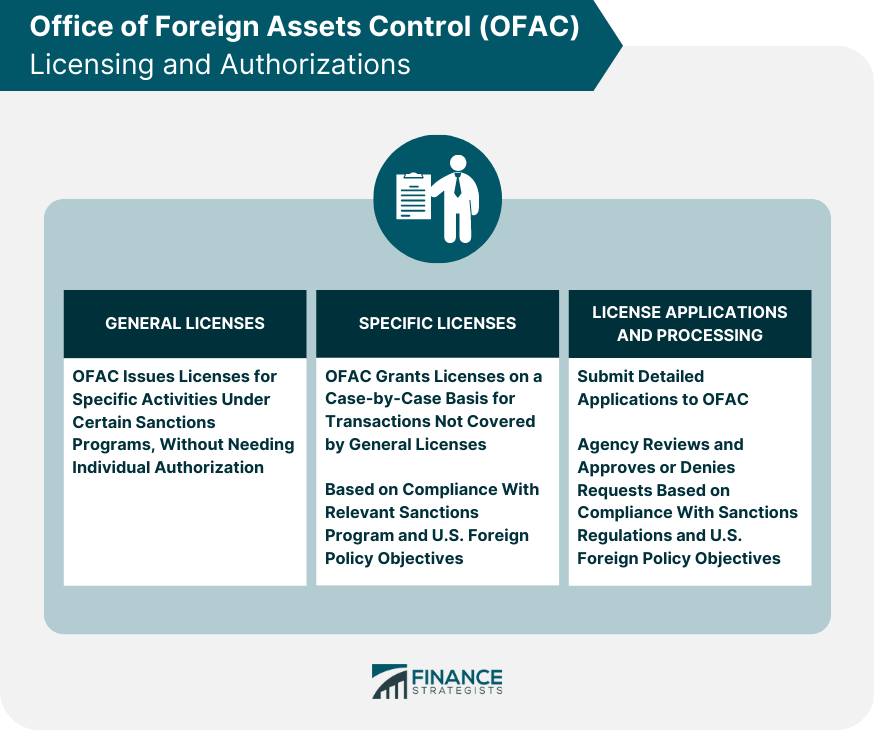
The Office of Foreign Assets Control (OFAC) is an agency of the U.S. Department of the Treasury that administers and enforces economic and trade sanctions based on U.S. foreign policy and national security goals. OFAC’s regulations target regimes, individuals, and entities that threaten U.S. interests or engage in unlawful activities. Understanding OFAC and its implications is crucial for businesses engaged in international trade. For a comprehensive overview of OFAC regulations and compliance, visit this OFAC page https://streetouterwears.com/pages/understanding-ofac-related-legal-resources-and-compliance-pages.html.

1. What is OFAC?

OFAC was created in 1950, during the Korean War, with the intent to administer economic sanctions against countries and individuals. Over the years, its role has evolved, now encompassing various sanctions programs aimed at protecting the U.S. financial system and safeguarding national security. OFAC’s sanctions can take many forms, including asset freezes, trade restrictions, and prohibitions on financial transactions with designated individuals and entities.

2. The Importance of Compliance

Compliance with OFAC regulations is not just a legal obligation but also a critical component of risk management for businesses operating internationally. Non-compliance can lead to severe consequences, including hefty fines, restrictions on business activities, and reputational damage.

2.1. Financial Implications

Violating OFAC regulations can result in substantial financial penalties. Businesses have faced fines in the millions of dollars for inadvertent violations. Therefore, understanding the scope of OFAC’s regulations and effectively implementing compliance measures is essential for any organization involved in international transactions.

2.2. Legal Risks

Beyond financial implications, non-compliance poses significant legal risks. Law enforcement agencies may pursue criminal charges against businesses and individuals who knowingly engage in prohibited transactions. Additionally, civil actions can be brought against businesses that fail to adhere to OFAC guidelines, leading to further legal complexities.

3. Key Sanctions Programs

OFAC administers a range of sanctions programs, each targeting specific countries or individuals. Some of the most notable programs include:

3.1. Sanctions Against Countries

Countries such as Iran, North Korea, and Syria are subject to comprehensive sanctions that impact trade, investments, and financial dealings. These sanctions are often enacted in response to human rights abuses, acts of terrorism, or nuclear proliferation concerns.

3.2. Individual Sanctions

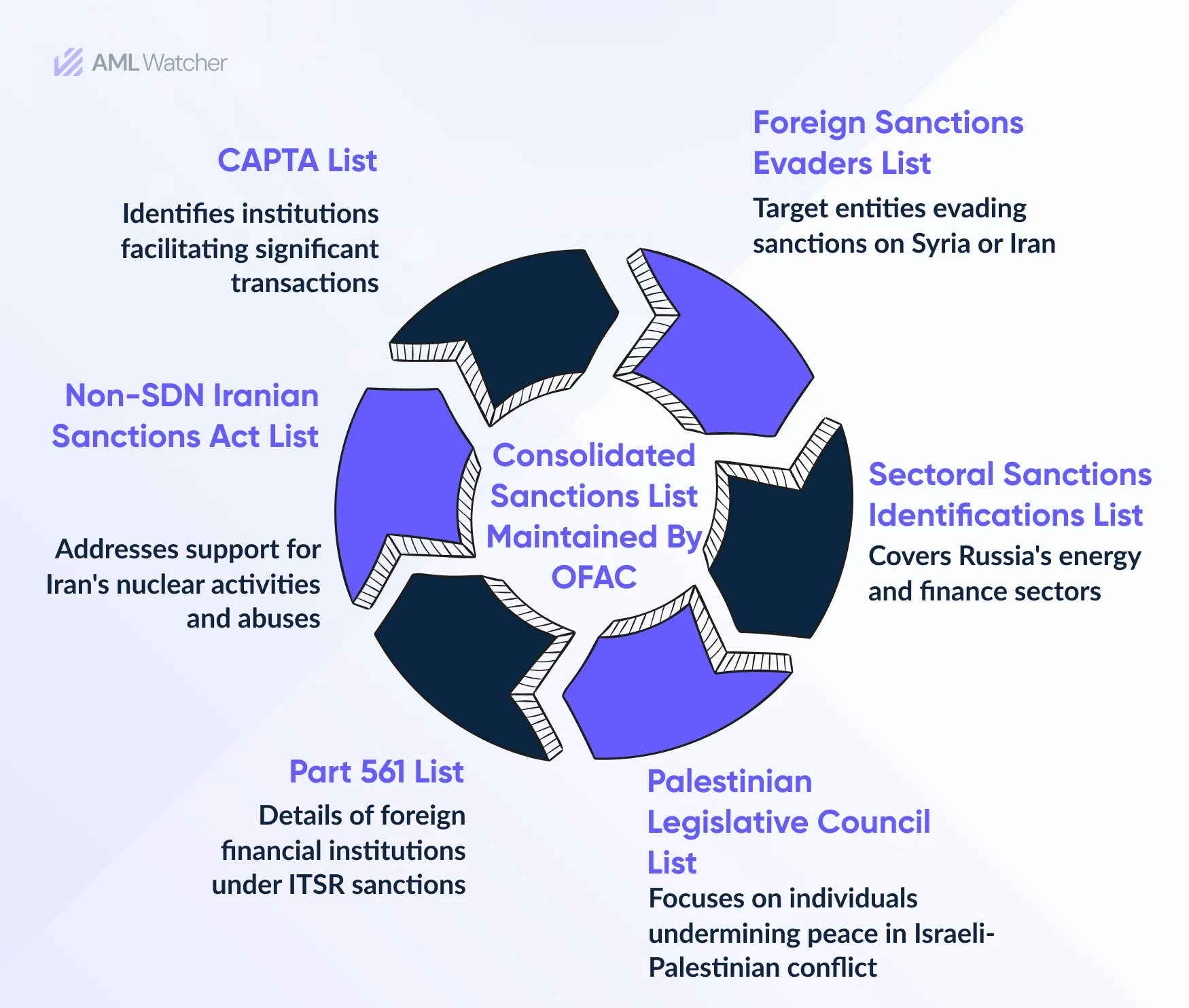
OFAC also designates specific individuals and entities for various reasons, including terrorism, drug trafficking, and corruption. These entities are listed in the Specially Designated Nationals and Blocked Persons List (SDN List), which serves as a reference for businesses wanting to ensure compliance.

4. Conducting Risk Assessments

To mitigate the risk of non-compliance, businesses are encouraged to conduct thorough risk assessments. This involves identifying potential exposure to sanctioned countries or individuals and assessing the effectiveness of existing compliance measures.
4.1. Know Your Customer (KYC)

Implementing a robust KYC process is fundamental for businesses dealing with foreign entities. This includes verifying the identities of customers and understanding the nature of their business activities to ensure they do not violate OFAC regulations.

4.2. Screening Procedures

Businesses must incorporate screening procedures to check for matches against the OFAC lists. Automated systems can help streamline this process, ensuring that transactions are promptly reviewed to ensure compliance.

5. Developing a Compliance Program

Creating a comprehensive compliance program is vital for managing OFAC-related risks effectively. A solid compliance program should entail the following components:

5.1. Policies and Procedures

Establishing clear policies and procedures that outline the company’s commitment to compliance is essential. This documentation should detail the steps employees must take when conducting business with foreign entities.

5.2. Training and Education

Regular training and education on OFAC regulations for employees can significantly enhance compliance efforts. Ensuring that staff members understand the implications of OFAC regulations and how they relate to their roles is crucial for effective enforcement.

5.3. Monitoring and Auditing

Ongoing monitoring and auditing of compliance practices can help businesses identify potential issues before they escalate. This proactive approach allows for adjustments to be made to policies and procedures as needed.

6. The Future of OFAC Regulations

As global politics and economic landscapes continue to evolve, so too will OFAC regulations. Businesses must remain vigilant and adaptive to these changes to maintain compliance and avoid legal repercussions. It is advisable to stay updated with OFAC guidelines and amendments regularly to ensure ongoing adherence.
Conclusion

Understanding and complying with OFAC regulations is fundamental for businesses operating internationally. The implications of non-compliance can range from hefty fines to significant legal challenges. By establishing robust compliance frameworks and staying informed about ongoing changes in sanctions, businesses can protect themselves and contribute to U.S. national security objectives.

monopoly casino