
So, I was fiddling around with my Solana wallet the other day—yeah, again—and wow, the whole NFT management scene is kinda wild. I mean, seriously? One minute you’re admiring your shiny digital art, the next you’re scrambling to track where that one rare piece even is or whether you accidentally sold it off in a foggy moment. NFTs, staking, DeFi — all these buzzwords swirl around, but when it comes down to actually keeping tabs on your holdings, things can get messy real quick.
Here’s the thing. Managing NFTs isn’t just about showing off digital collectibles anymore. It’s about understanding your entire portfolio, knowing what’s staking where, and tracking transaction history without getting a headache. Initially, I thought, “Hey, it’s just like traditional crypto wallets, right?” But then I realized that NFTs add a layer of complexity that’s easy to overlook, especially if you’re juggling multiple assets across different DeFi protocols.
And yes, I’m biased, but if you’re rolling with the Solana ecosystem, this complexity can either be a breeze or a nightmare depending on your tools. My instinct said there had to be a better way than flipping through multiple tabs or apps. So I dug deeper — and stumbled upon some real gems.
Really, what bugs me is how many wallet apps treat NFTs like an afterthought. You get basic viewing capabilities, sure, but detailed portfolio tracking or robust transaction history? Forget about it. That’s a very very important gap because if you don’t track your moves closely, you might miss staking rewards or worse, overlook gas fees eating your profits. (Oh, and by the way, that’s especially true when you’re hopping between different marketplaces or DeFi platforms.)
Something felt off about the usual approach to NFT management until I tried tools tailored specifically for Solana. Honestly, the experience shifted my whole perspective.
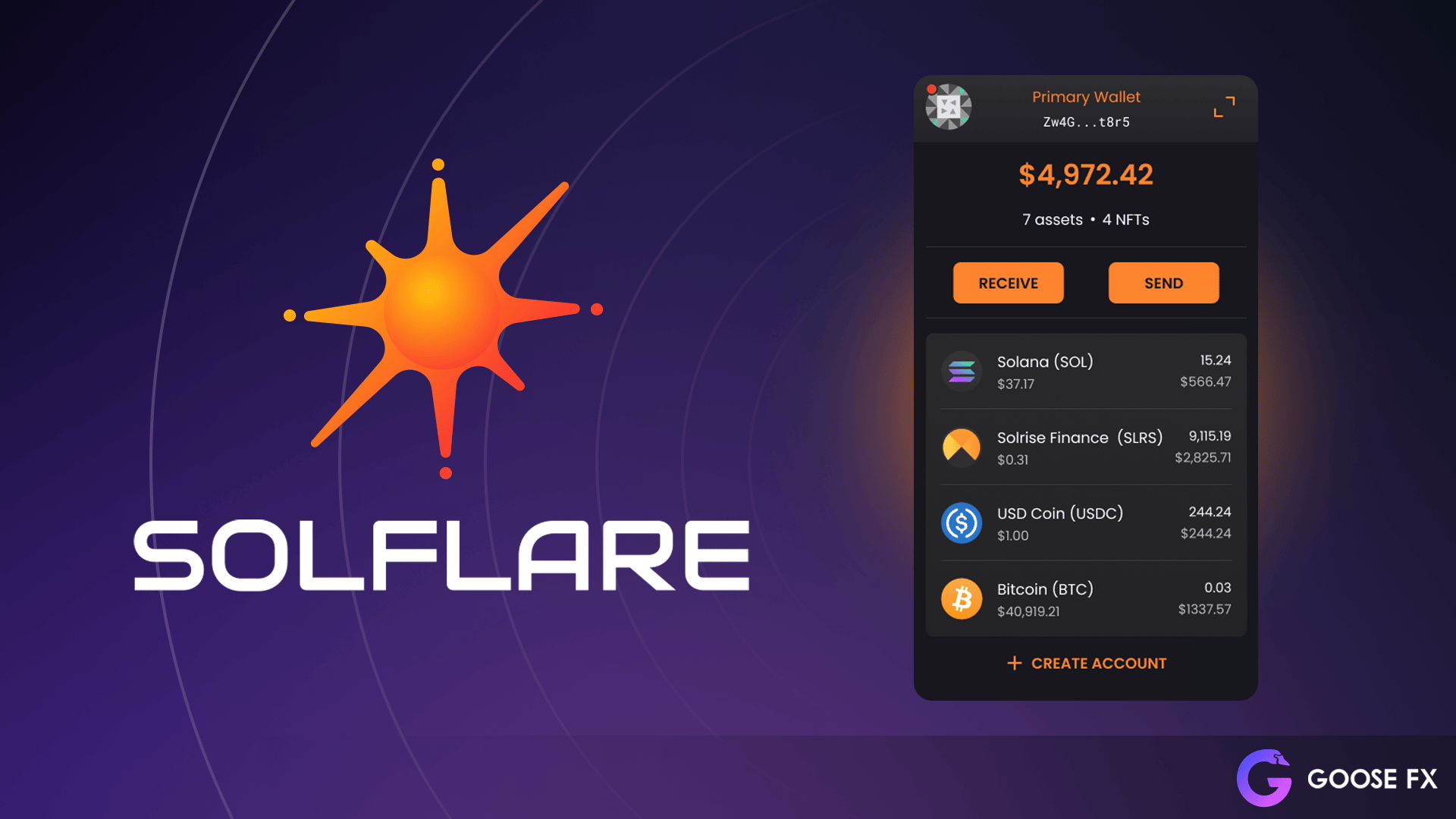
Okay, so check this out—Solflare has been quietly doing a fantastic job here. Not only does it support seamless NFT management, but it also gives you clear insights into your staking status and transaction history, all in one place. For anyone deep into Solana’s ecosystem, it’s like having a personal assistant who actually gets what you’re about.
Before I dive too deep, I’ll be honest: I’m not 100% sure this will cover every edge case or that it’s perfect for complete beginners, but for folks with a bit of crypto savvy, it’s a game changer. What’s cool is that the user interface doesn’t drown you in jargon or endless tabs. Instead, it balances simplicity with power. You can see your NFT collection, track staking rewards, and filter transaction history with a few clicks.
And if you’re wondering where to get started, the easiest way is through the solflare download. It’s straightforward, and trust me, once you have it, you’ll see what I mean about that smooth integration.
Initially, I thought portfolio tracking meant just a list of assets. Actually, wait—let me rephrase that. It’s about dynamic insights that show you how your NFTs are performing, which ones are staked, and how your transaction history reflects your trading and staking behavior over time. This kind of analytics often gets overlooked.
On one hand, you want something simple enough to not overwhelm you, though actually, the more detailed and precise the data, the better your decisions can be. The trick is finding that sweet spot, and from what I saw, Solflare nails it.
Why Transaction History Matters More Than You Think
At first glance, transaction history might sound like bookkeeping—boring and tedious. But here’s the kicker: your transaction logs can reveal patterns and insights that aren’t obvious otherwise. I learned this the hard way after missing a couple of staking deadlines because I hadn’t realized some transactions hadn’t confirmed properly.
Tracking transactions on Solana can be tricky, especially since the network moves fast and fees are low, so you might not notice tiny blips at first. But over time, those blips add up. A detailed transaction history helps you spot anomalies, confirm that staking rewards are actually credited, and verify NFT transfers without second-guessing.
And hey, if you’re into DeFi, your transaction trail might zigzag through swaps, liquidity pools, and staking contracts. Without a good tracking tool, it’s like trying to piece together a puzzle with half the pieces missing.
Solflare’s approach makes this easier by consolidating all your activity in one timeline, with clear tags for NFT sales, staking actions, and swaps. Honestly, it’s the difference between feeling in control and being blindsided by surprises.
One thing I’m still figuring out is how to handle cross-platform transactions that don’t always show up cleanly in one wallet. It’s a bit of a limitation, but I suspect future updates will iron out some of these wrinkles.
Getting Serious About NFT Portfolio Tracking
Here’s another thing: managing an NFT portfolio isn’t just about ownership. It’s about value, trends, and potential. I’ve seen some people treat NFTs like baseball cards, just collecting for fun, but when you start staking or using them as collateral in DeFi, things get serious very fast.
Tracking your portfolio’s value over time, understanding which NFTs are liquid or locked up in staking, and monitoring market trends are crucial. Solflare’s dashboard includes some nifty features to glance at floor prices and rarity stats, which helps me decide whether to hold, sell, or stake certain assets.
Something I really liked is how the wallet handles notifications for staking rewards and upcoming expirations. It’s like a little nudge that keeps you engaged without being annoying. That balance is tough to get right, and frankly, most wallets miss it.
Still, I wish there were more community-driven insights embedded directly into the wallet, like trending projects or social sentiment. Maybe that’s a tangent for later, but I think it’d add real value.
Anyway, if you want to test it out yourself, grab the solflare download and play around. It’s not perfect, but it’s one of the best out there for NFT-focused Solana users.
Wrapping Thoughts but Not Really
So, to circle back, managing NFTs and tracking your portfolio on Solana isn’t just a checklist task—it’s a constantly evolving journey. Initially, I underestimated how much of a headache it could be without the right tools. But now, I’m convinced that the right wallet isn’t just storage; it’s your command center.
My gut tells me that as NFTs keep blending with DeFi and staking, these management tools will become even more vital. It’s like trying to ride a bull that’s also juggling fire—exciting but you better have a solid grip.
Honestly, I’m curious to see how wallets like Solflare evolve, especially with community feedback. There’s lots of room to grow, but the direction feels promising. And hey, if you’re in the Solana space, don’t sleep on having a reliable NFT and portfolio tracker—it can save you from some nasty surprises.
Anyway, I’ll keep poking around and sharing what I find. For now, if you want to dive in, the solflare download is a solid place to start.